Our Process
High-Performance Linerboard from 100% Recycled Fiber
Each year, RWCB diverts approximately 275,000 tons of material from landfills and incinerators, transforming everyday discarded cardboard into essential packaging materials.
Commitment to Environmental Stewardship
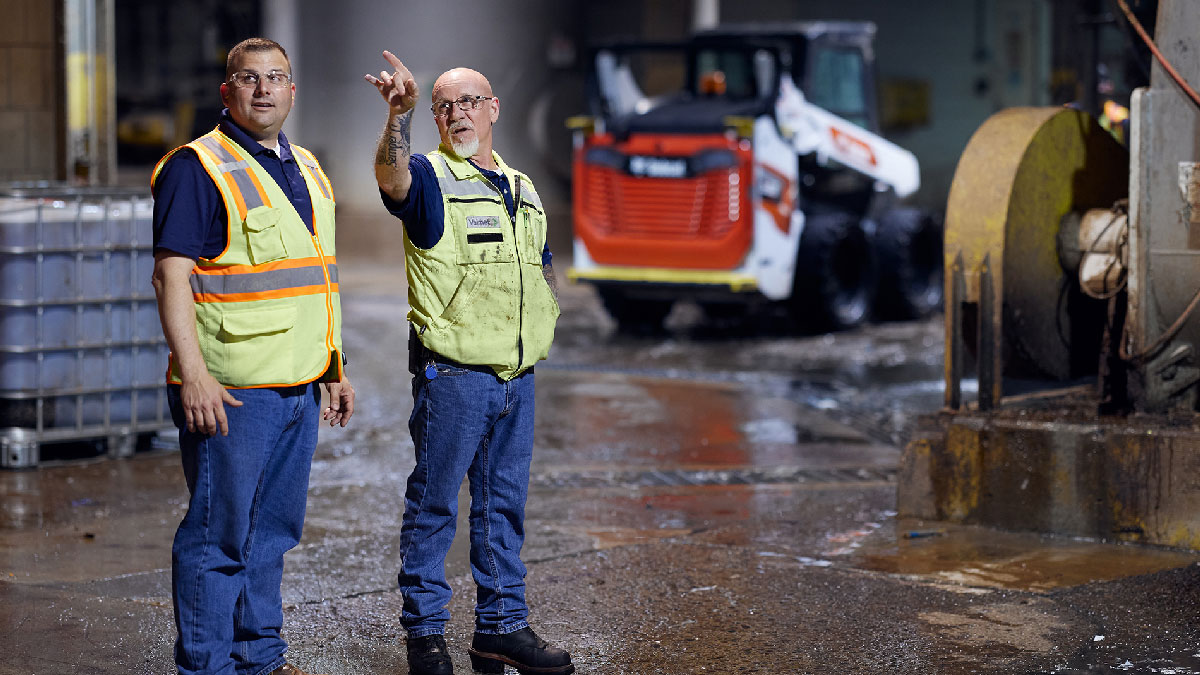
Environmental stewardship guides every aspect of the paper-making process. RWCB responsibly sources and recycles materials to minimize waste and conserve natural resources. Through ongoing innovation and sustainable practices, RWCB is committed to protecting the environment for future generations.
Step 1:
Collection, Recycling & Material Sorting
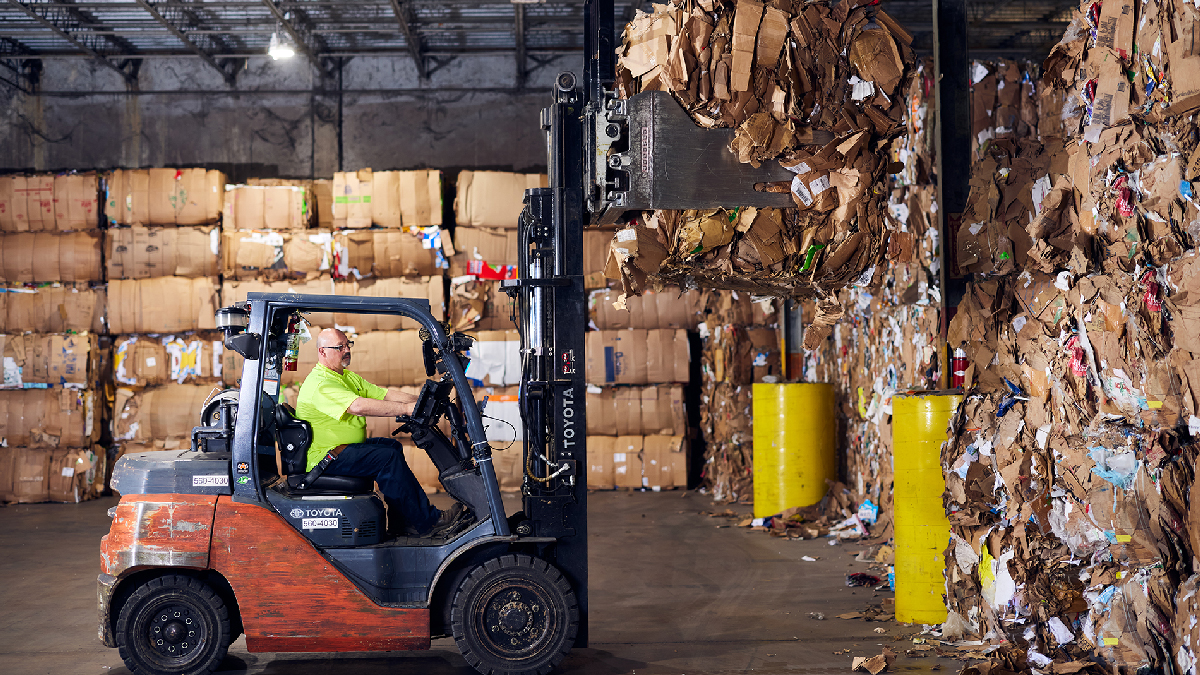
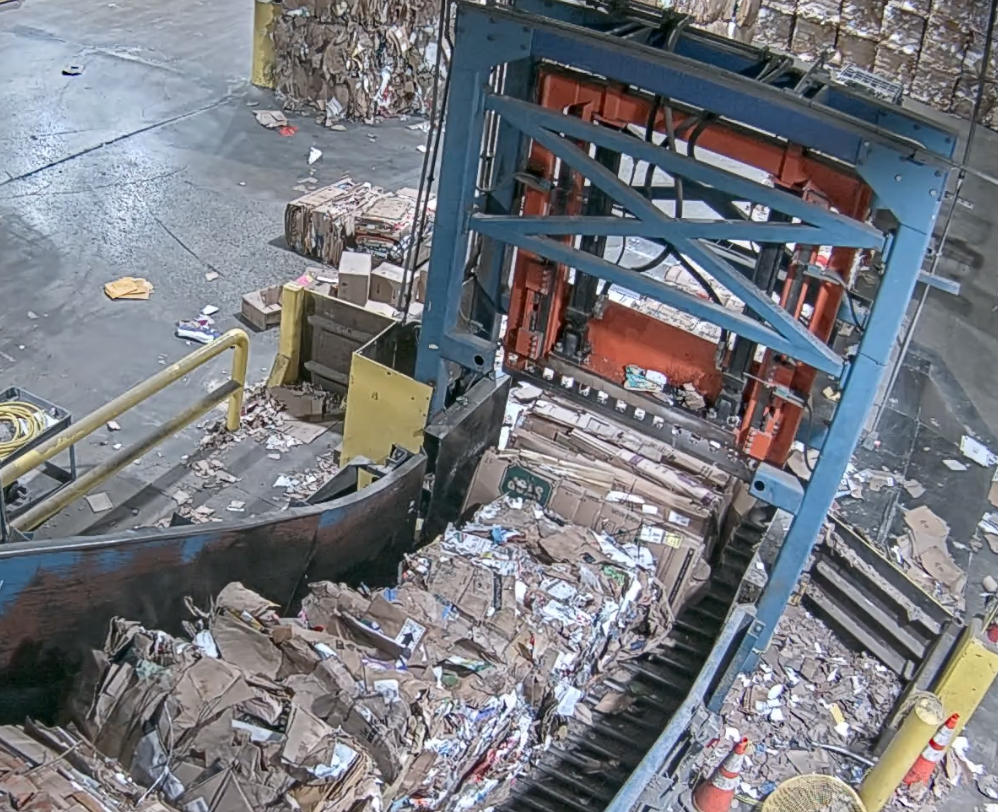
Our process begins with old corrugated containers (OCC) sourced primarily from retailers and businesses across major Northeastern cities, including New York and Boston. Upon arrival, each load is carefully weighed, inspected, and graded for quality. Using forklifts, our OCC handlers unload and organize the bales, either staging them in the warehouse or feeding them directly onto a conveyor system that transports the material to the pulper for the next stage of production.
Step 2:
Fiber Preparation
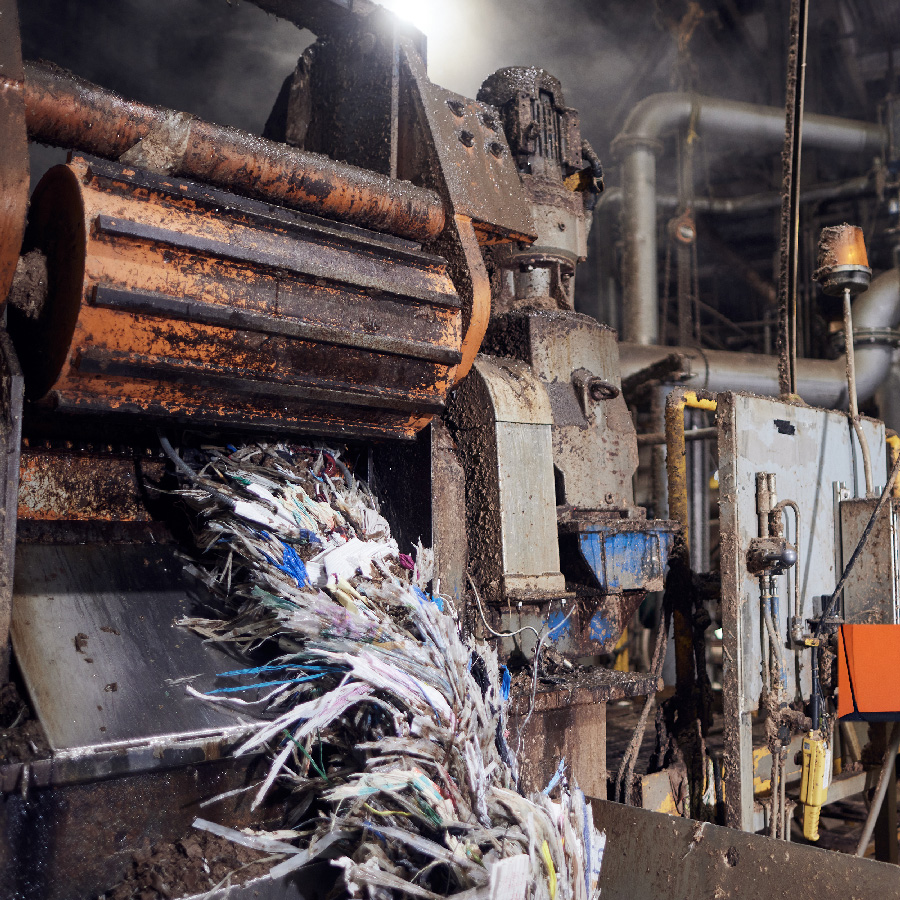
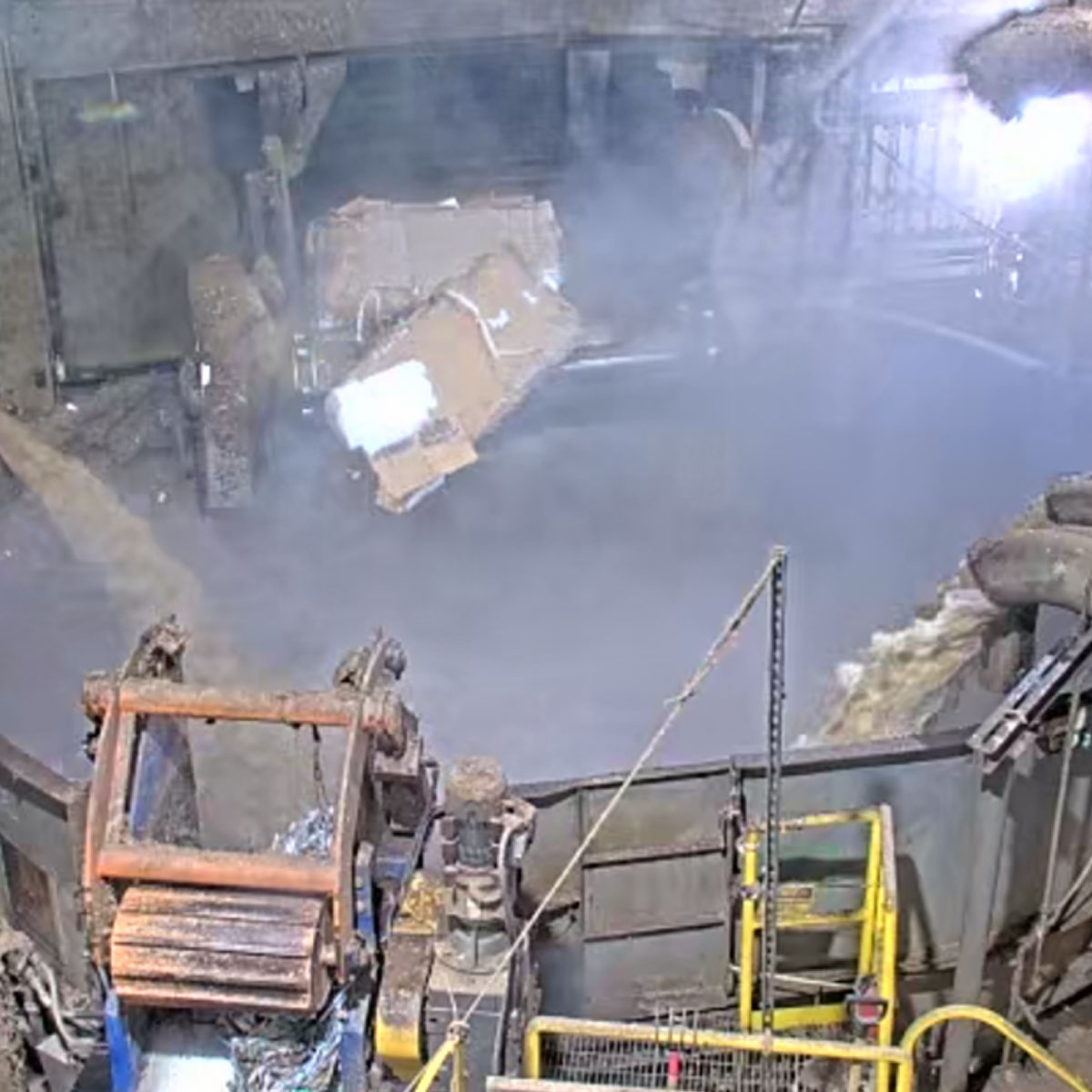
The pulper functions like a giant industrial blender, breaking cardboard down into fiber while removing unwanted materials. Water is added to the OCC, creating a slurry as the internal screens and filters separate non-paper materials such as plastics, metals, and glass, from the paper fibers. Once the cardboard is fully reduced to pulp, it passes through additional screening stages to remove any remaining impurities, ensuring a clean, high-quality fiber stream for the next step in the process.
Step 3:
Sheet Formation
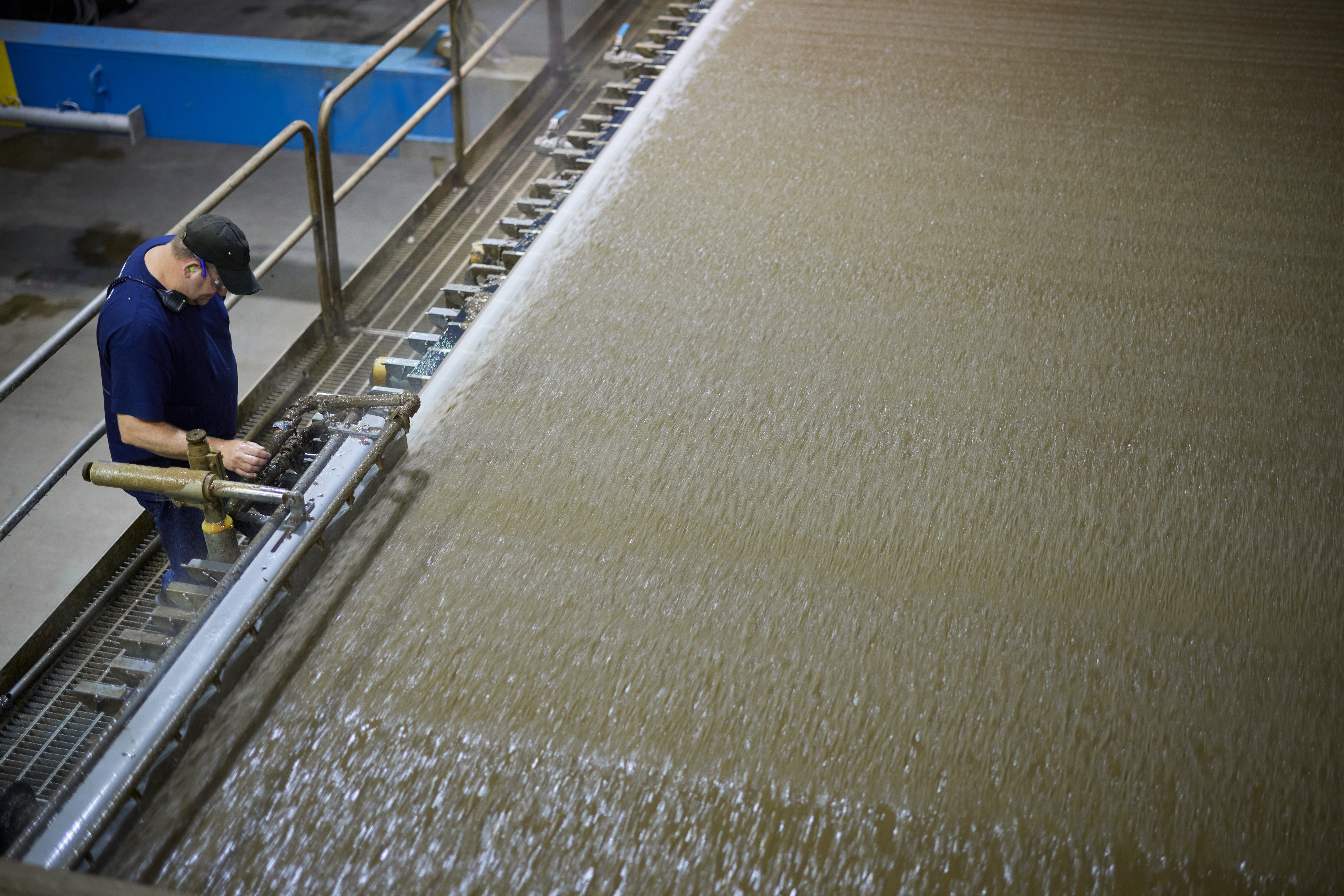
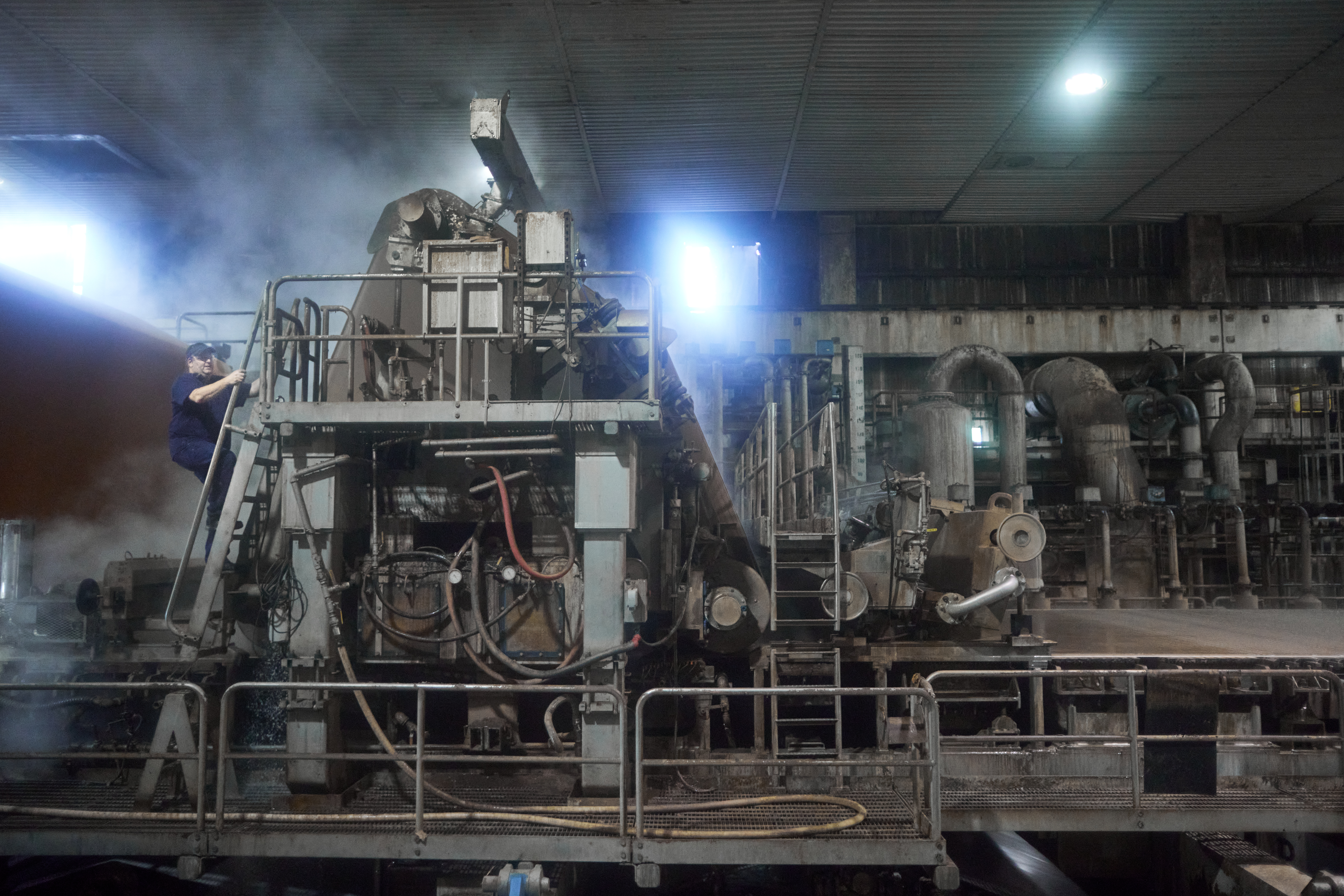
The fiber slurry is evenly distributed onto a moving mesh fabric known as the Wire, where gravity and vacuum remove water to form a continuous sheet of paper. At this stage, the sheet is approximately 75% water and 25% fiber. Each sheet then passes through a press section, where mechanical pressure removes additional moisture, bringing the sheet to roughly 50% water and 50% fiber. From there, the paper enters the dryer section—a sequence of steam-heated cylinders that gently remove moisture until the finished paper reaches its final composition of 7% water and 93% fiber.
Step 4:
Quality Assurance
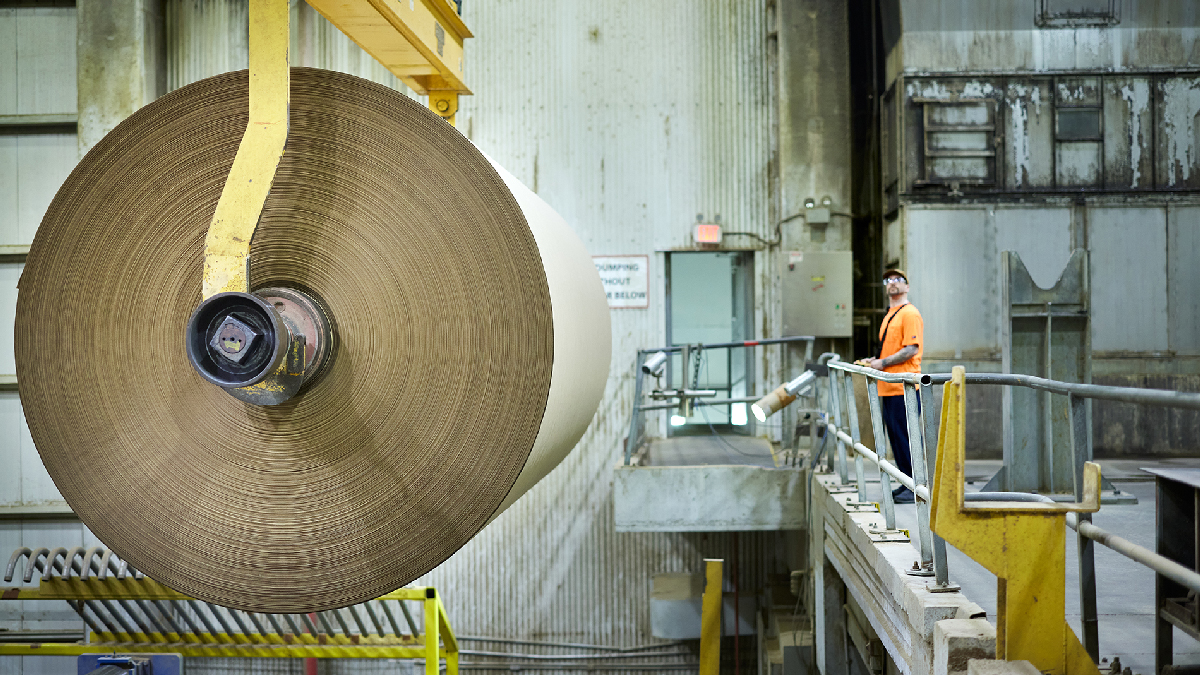
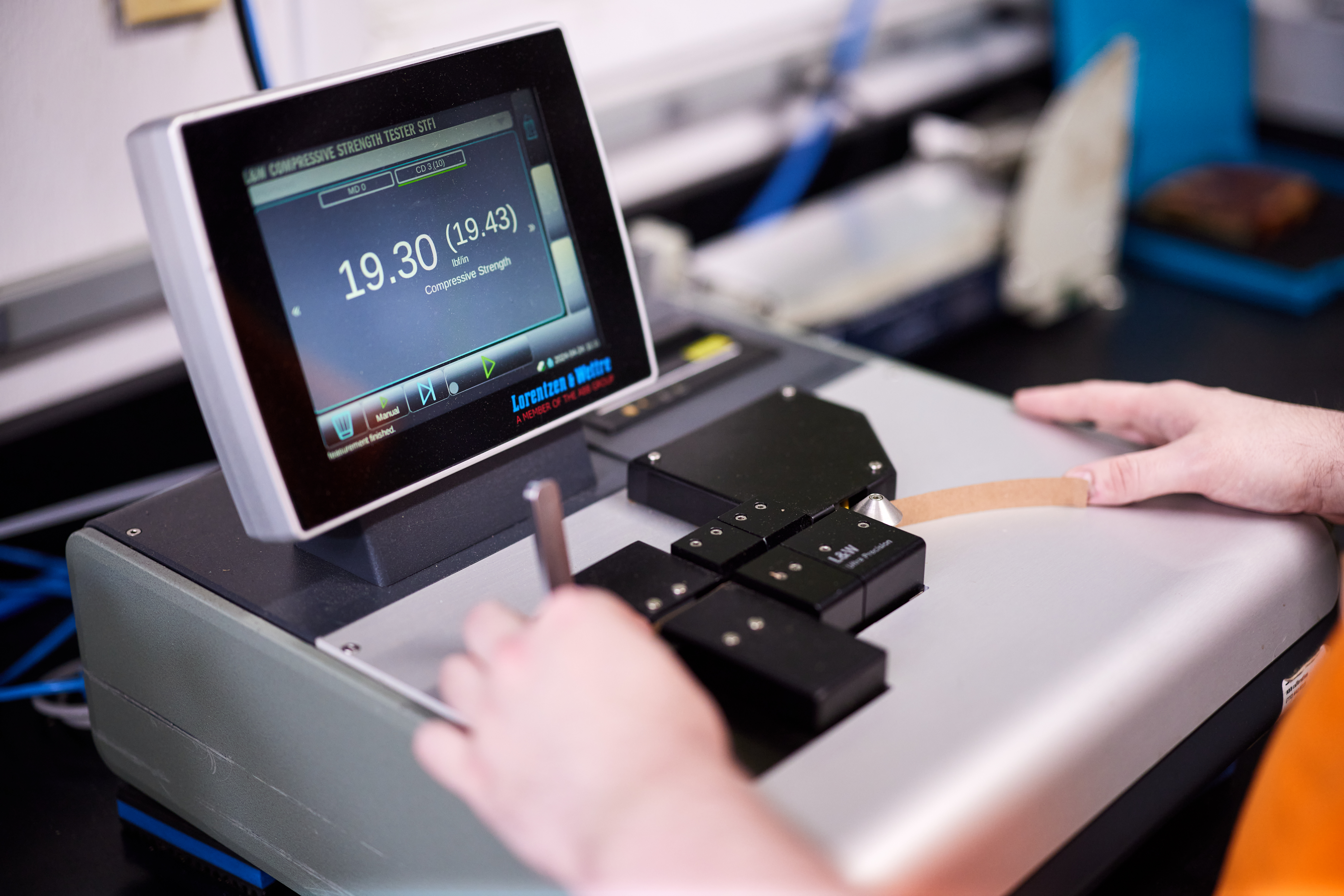
Finally, the finished product is wound onto a large master roll. Each roll is rigorously tested for quality and strength before being transferred to the winder for final processing and preparation for shipment.
Step 5:
Cut to Order
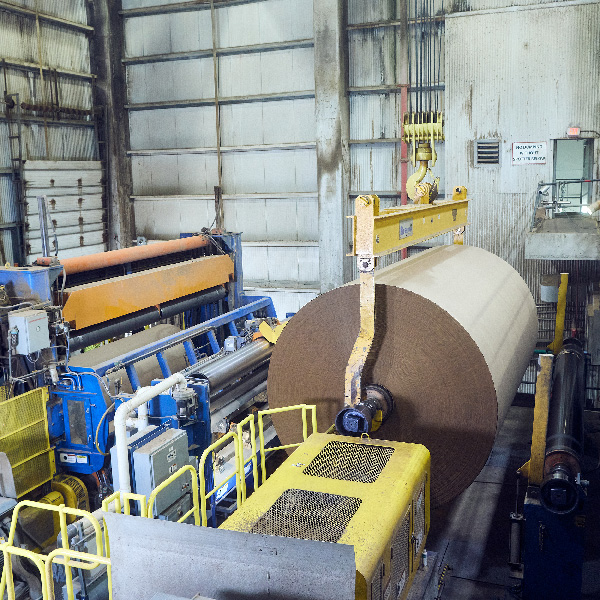
Once transferred to the winder, the master roll is converted into smaller rolls by making precise cuts to meet customer specifications. Each roll is then labeled and transported to the finished goods warehouse.

Step 6:
Distribution & Delivery
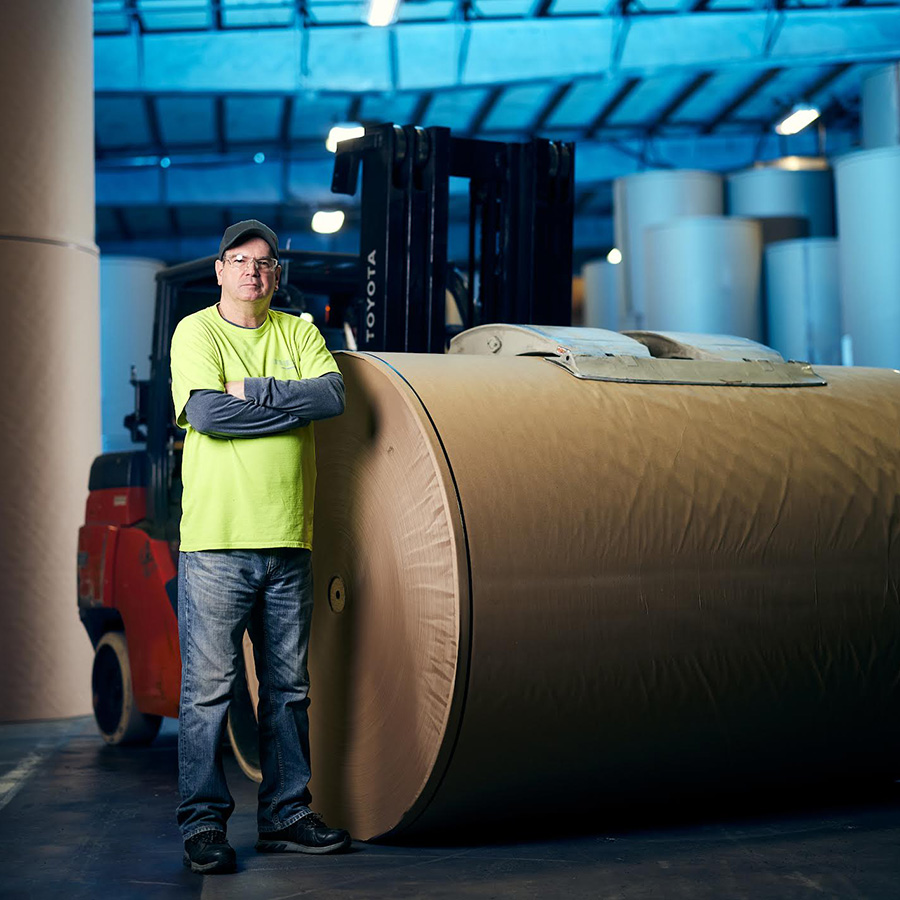
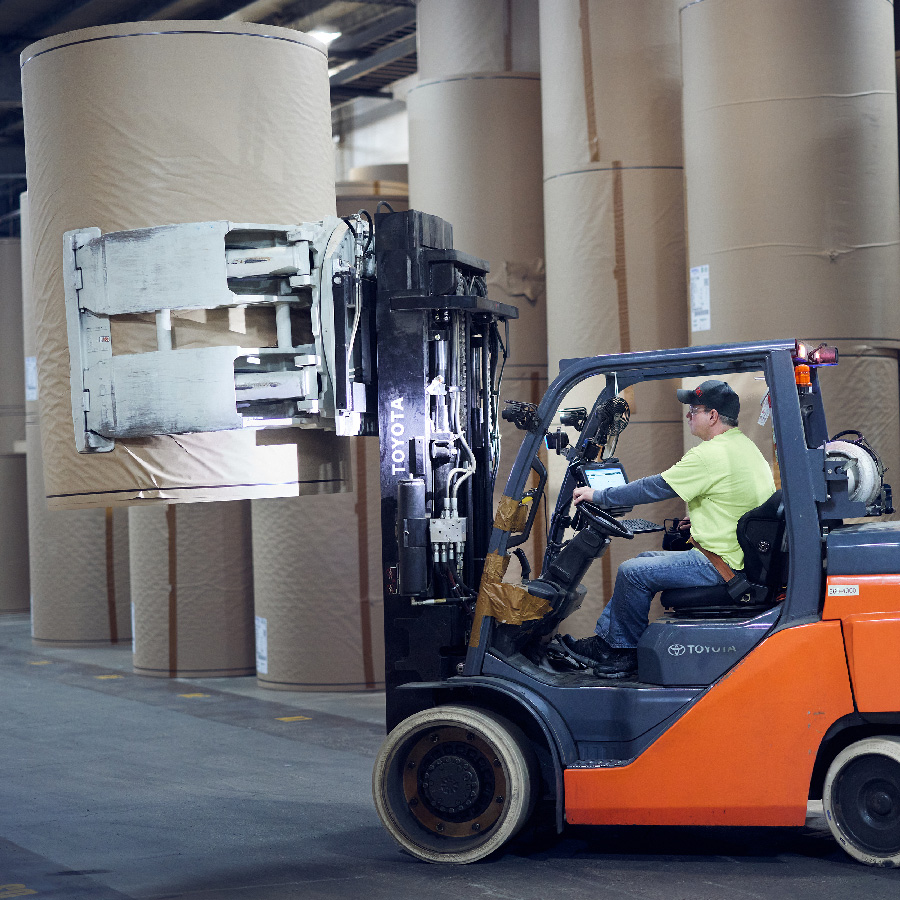
Once in the finished goods warehouse, the rolls are stored or prepared for shipment. Before our roll handlers carefully load the finished rolls onto trailers, a final quality check is conducted. Upon completion, rolls are securely loaded for delivery to customers.
Rand-Whitney Vertical Integration
Through a fully integrated supply chain, Rand-Whitney seamlessly connects recycling, linerboard production, and corrugated manufacturing to transform recovered fiber into high-quality packaging materials.
STAGE: 1
RECYCLING
Rand-Whitney Recycling sources paper waste, ships materials to RWCB, and operates facilities to clean, bale, and sort recyclables.

STAGE: 2
LINERBOARD:
RWCB produces linerboard from recycled fiber to support packaging and manufacturing needs.

STAGE: 3
RECYCLING
Rand-Whitney Container manufactures corrugated packaging products to meet commercial and industrial shipping needs.