Sustainability
Advancing Closed-Loop Manufacturing
RWCB’s sustainability initiatives focus on reducing waste, conserving resources, and improving operational efficiency through a circular manufacturing model. By investing in advanced recycling, beneficial water re-use techniques, and energy-efficient power generation, the mill continues to reduce its environmental footprint while supporting responsible manufacturing practices.
Nothing Wasted, Everything Renewed
At RWCB, every resource is made to count. We transform post-consumer waste into recycled linerboard, divert hundreds of thousands of tons from landfills, and reuse water and energy at every step—shrinking our footprint while building a more sustainable future for manufacturing.
Landfill diversion
Hundreds of thousands of tons paper waste kept out of landfills.

Recycled linerboard
Recovered fiber, rolled back into new linerboard.
Water reuse
Advanced reuse systems lower freshwater demand.
Energy efficiency
Efficient operations shrink the mill's grid energy footprint.
Solid Waste Recycling
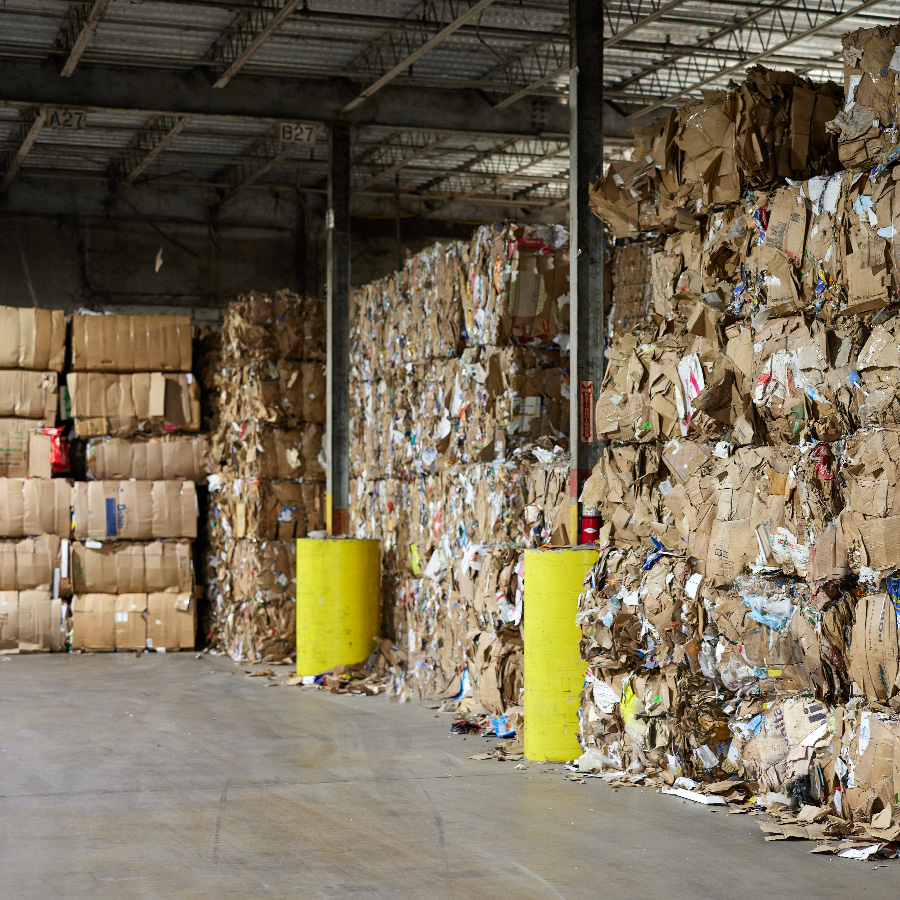
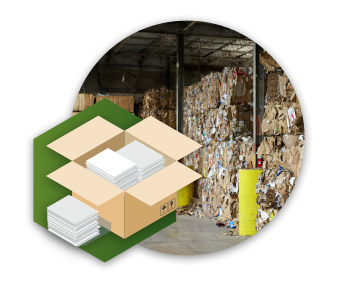
RWCB recycles OCC to produce more than 265,000 tons of 100% recycled linerboard each year, turning recovered fiber into the strong paper used in corrugated boxes. By processing up to 100% post-consumer OCC at its recycling plant, the mill not only diverts waste from landfills, but also reduces methane emissions and helps save an estimated 4 million trees each year.
More than half of the waste generated during the papermaking process is beneficially reused as inputs for other products, compost, or landfill cover. The remaining material is converted into energy, generating heat and power for the local community and further reducing waste and fossil-fuel use.
Water Recycling
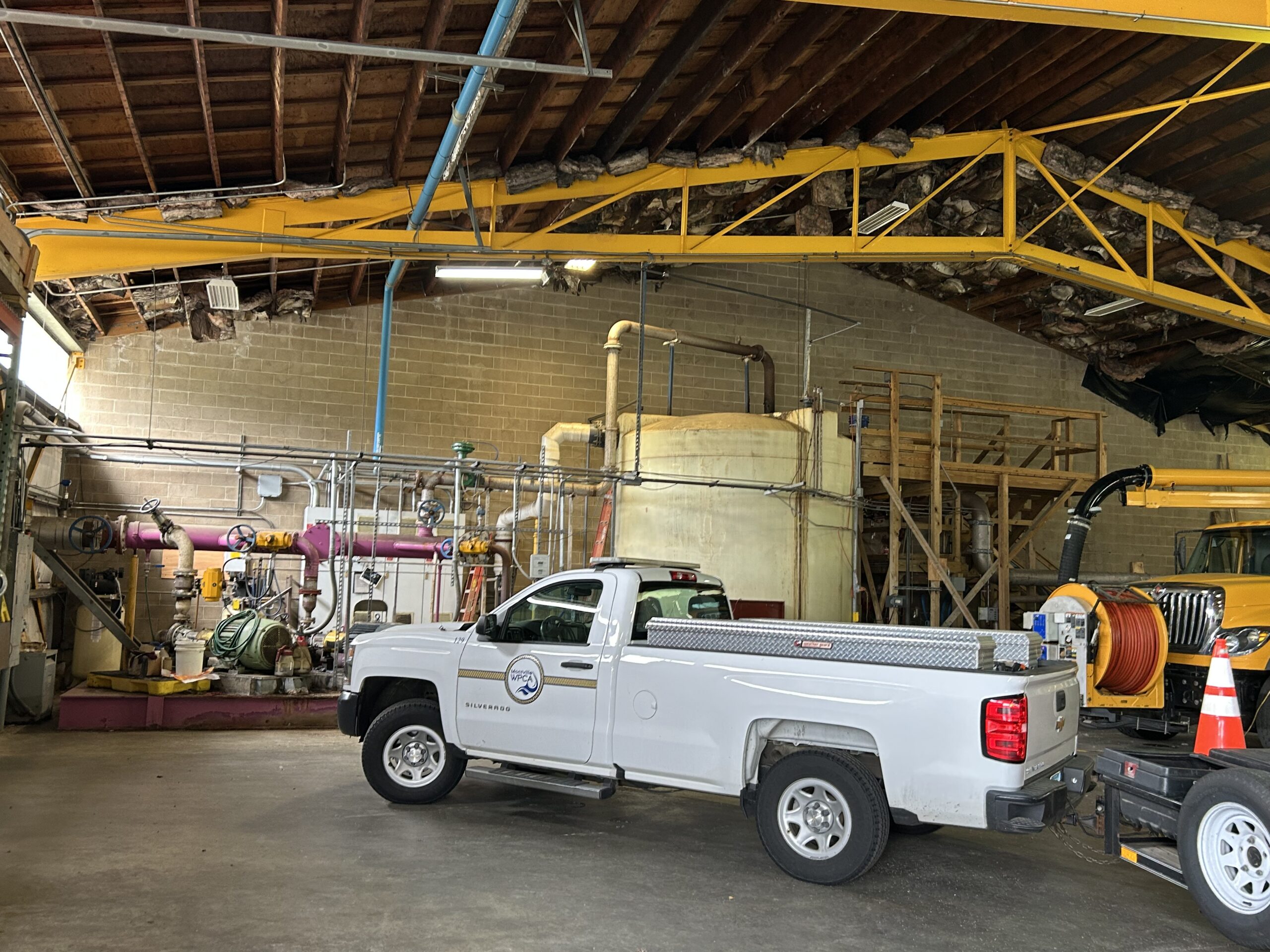
RWCB was among the first paper mills worldwide to operate using 100% recycled wastewater, consuming 21% less water per ton of paper produced than comparable recycled paper mills. Sourced from the Town of Montville's wastewater treatment facility, this system enables RWCB to reuse more than 250 million gallons of treated effluent each year, water that would otherwise be discharged into the Long Island Sound.
Energy Footprint
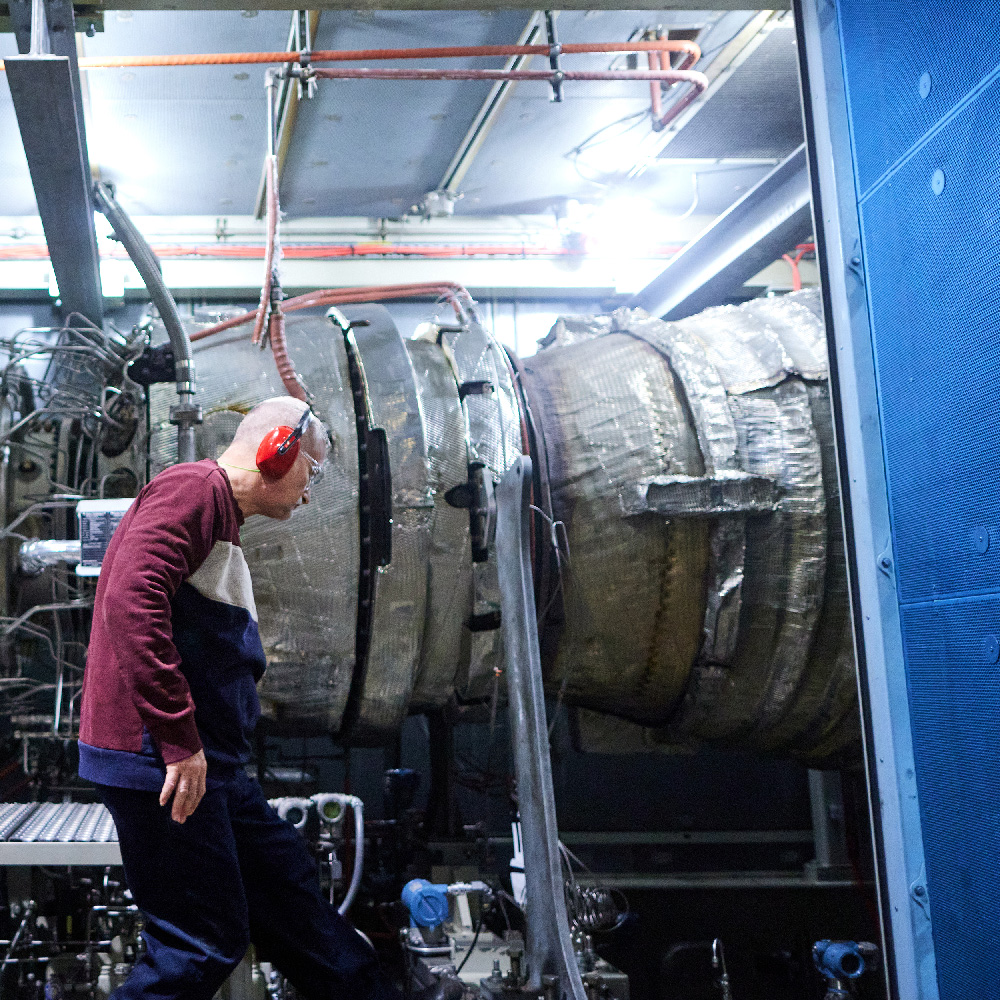
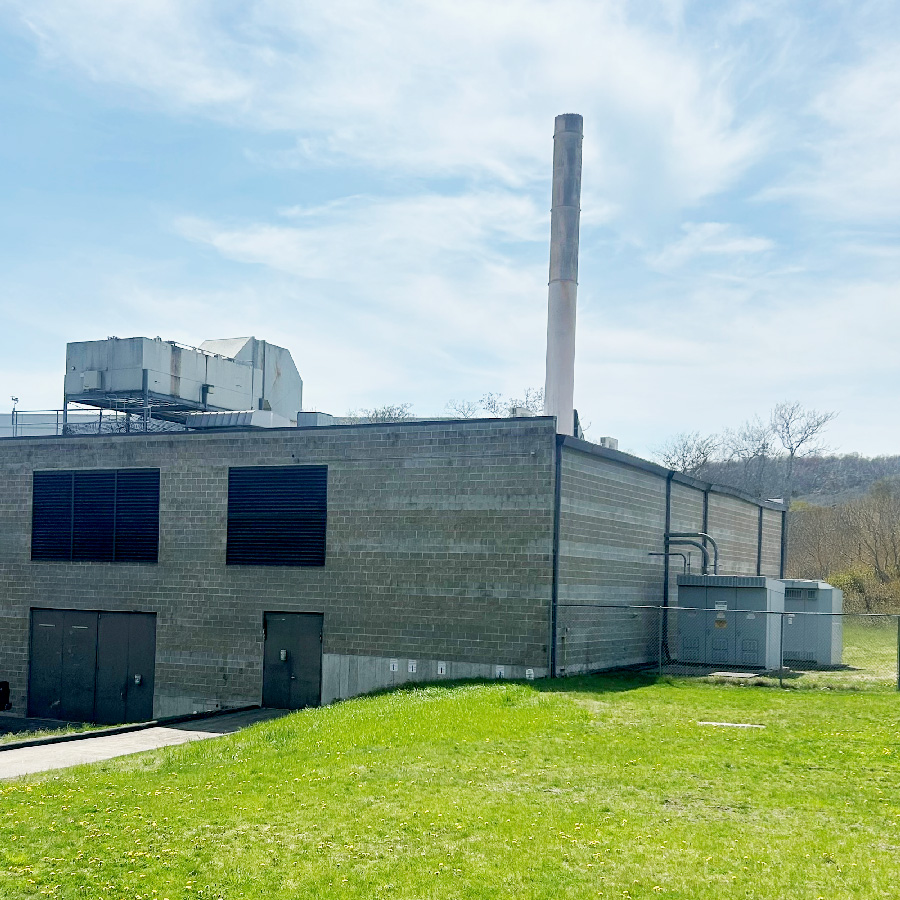
RWCB powers its operations with a high-efficiency combined heat and power (CHP) system installed in 2004, achieving over 80% overall thermal efficiency. Fueled by clean natural gas, the system generates up to 17.25 megawatts of electricity while capturing waste heat to produce steam and process heat, reducing fuel use, lowering emissions, and decreasing reliance on the regional power grid. Since installation, the CHP system has helped cut the mill's carbon footprint by 30%.
RWCB further reduces emissions through closed-loop transportation, with more than 50% of inbound OCC and outbound linerboard trips completed via backhaul routes. Ongoing facility upgrades have also lowered overall energy consumption by 20% in recent years, reinforcing RWCB's commitment to operational excellence and environmental responsibility.
RWCB Interesting Facts
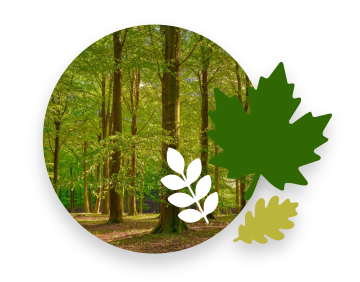
By recycling OCC, RWCB saves an average of 4 million trees each year.
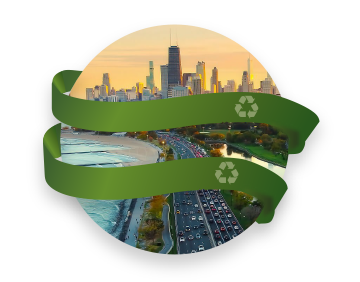
Each year, RWCB recycles enough material to stretch more than 570 miles, roughly twice the footprint of the City of Chicago.
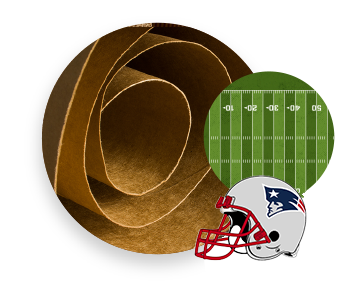
RWCB produces enough linerboard annually to stretch across 127 football fields.
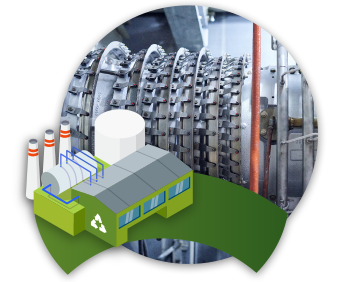
RWCB’s cogeneration system produces up to 17.25 megawatts of electricity, enough to power more than 12,000 Connecticut homes for a year.
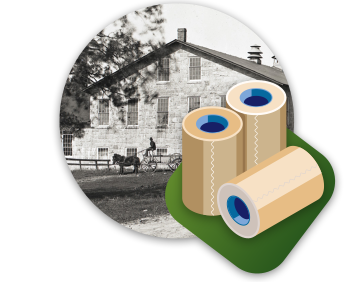
Paper has been produced at the Montville site for over 150 years, with the original mill dating back to 1868.
%
Less than 5% of incoming material becomes residual waste. More than half is beneficially reused, and about one quarter is converted into energy.
Our recycled linerboard conforms to the requirements of the following forestry certification schemes:
FSC® is an international nongovernmental organization that promotes environmentally appropriate, socially beneficial, and economically viable management of the world’s forests. To learn more, visit www.fsc.org.
By choosing SFI® certification, we invest in conservation research, community engagement, and environmental education.
Our PEFC certified chain of custody supports sustainably managed forests globally.
Affiliate Organizations